

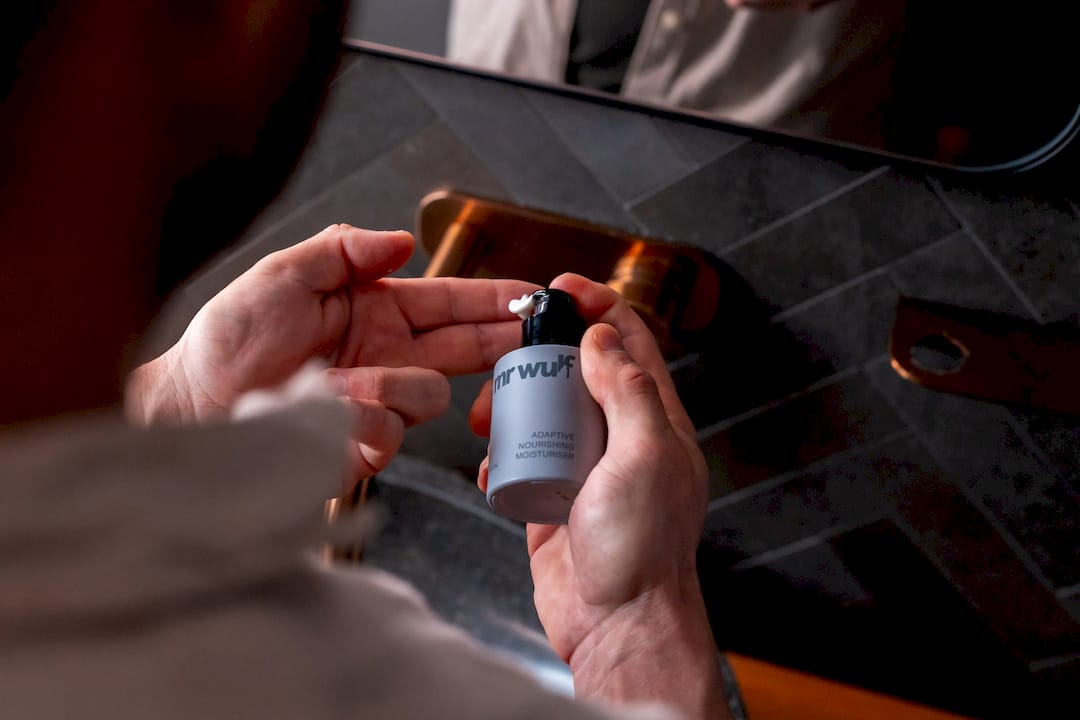
After 30, your skin is not just getting older — it is losing the biological capacity to recover as quickly from UV damage, pollution, and dehydration. Most men still rely on a face wash and whatever moisturiser was on sale, which is the functional equivalent of maintaining a high-performance engine with tap water.
The skin changes that begin in your early 30s — reduced collagen synthesis, slower cell turnover, a weakening skin barrier, declining antioxidant capacity — are real, measurable, and addressable. This guide gives you the evidence-based framework to build a routine that works, without overcomplicating your life or filling your bathroom with products that do not deliver.
Table of Contents
Key Takeaways
| Point | Details |
|---|---|
| Collagen and cell turnover decline measurably after 30 | The biological drivers of skin ageing are real and addressable with the right topical actives. |
| A three-step routine covers the fundamentals | Cleanse, treat, protect. Under two minutes. Done consistently, this is where most of the long-term outcome is produced. |
| Most conventional sunscreens contain ingredients we will not use | Chemical UV filters have documented endocrine disruption and carcinogen contamination concerns. If using SPF, mineral-only formulas with zinc oxide are the standard worth applying. |
| Antioxidant defence matters more than most men realise | Topical antioxidants — Vitamin C, Niacinamide, polyphenols — neutralise the oxidative damage that drives photoageing. The Wulf Pack’s serum delivers a clinical antioxidant stack in every application. |
| Consistency is the active ingredient | No routine outperforms a basic one done every single day. |
What Changes in Men’s Skin After 30
Men’s skin is structurally different from women’s. Higher androgen levels mean thicker dermis, more active sebaceous glands, and more pronounced surface texture. These differences are often seen as advantages — men typically age more slowly than women in their 20s and early 30s. But the gap closes, and after 35, the cumulative effect of sun exposure, chronic stress, and declining collagen synthesis catches up quickly if the right habits are not in place.
The key biological changes worth understanding:
Collagen decline. Collagen production drops by approximately 1% per year from the mid-20s. By 40, the cumulative loss is visible in surface texture, reduced skin firmness, and the early lines that deepen without intervention.
Slower cell turnover. In your 20s, skin cells cycle from basal layer to surface in roughly 28 days. By your mid-40s, that cycle can extend to 45 days or more. The result is dull, uneven surface texture — dead cells accumulating faster than the skin sheds them.
Weakening skin barrier. The skin’s outer layer — the stratum corneum — relies on a precise balance of lipids, including ceramides, to retain moisture and exclude irritants. That balance degrades with age, UV exposure, and environmental stress. A compromised barrier means reactive, dehydrated skin that is more susceptible to accelerated ageing.
Declining antioxidant capacity. The skin’s intrinsic antioxidant systems — the enzymes and compounds that neutralise free radical damage from UV, pollution, and metabolic stress — become less efficient with age. Free radical accumulation drives collagen breakdown, pigmentation changes, and impaired barrier function. This is where topical antioxidants earn their place.
Photoageing. Cumulative UV exposure is the single largest driver of visible ageing in men. UV radiation generates reactive oxygen species that break down collagen and elastin, cause uneven pigmentation, and impair the skin’s repair mechanisms. This accumulates silently over decades and is why men who were not protecting their skin in their 20s and 30s often experience a more dramatic-looking shift in their mid-40s than their biological age would predict.
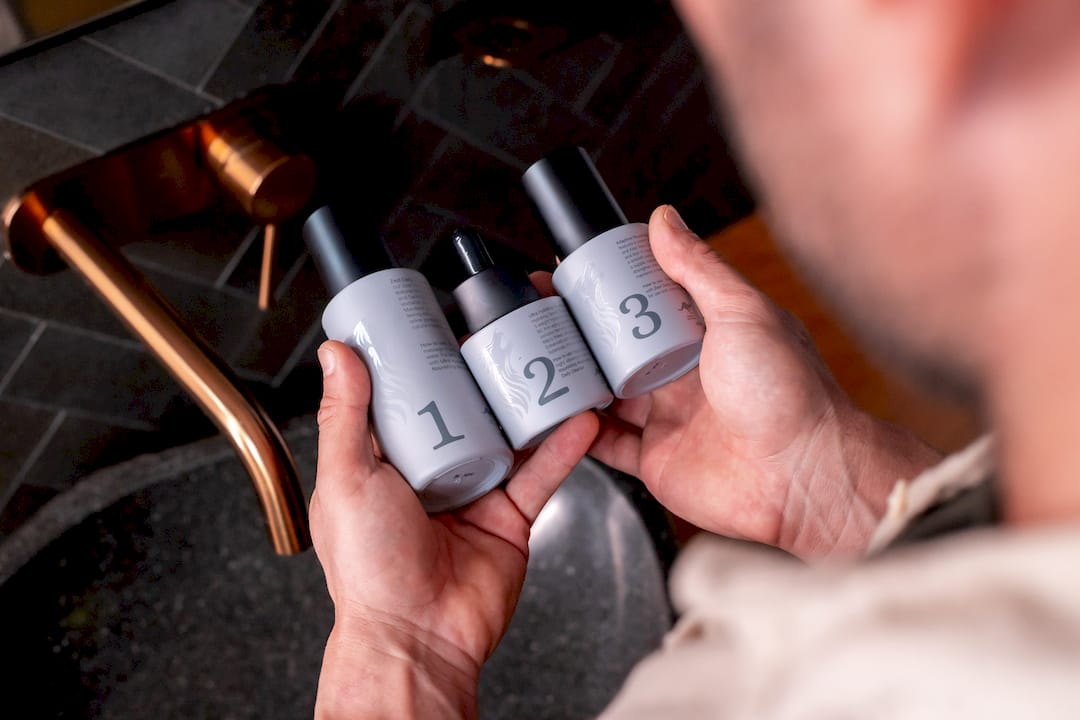
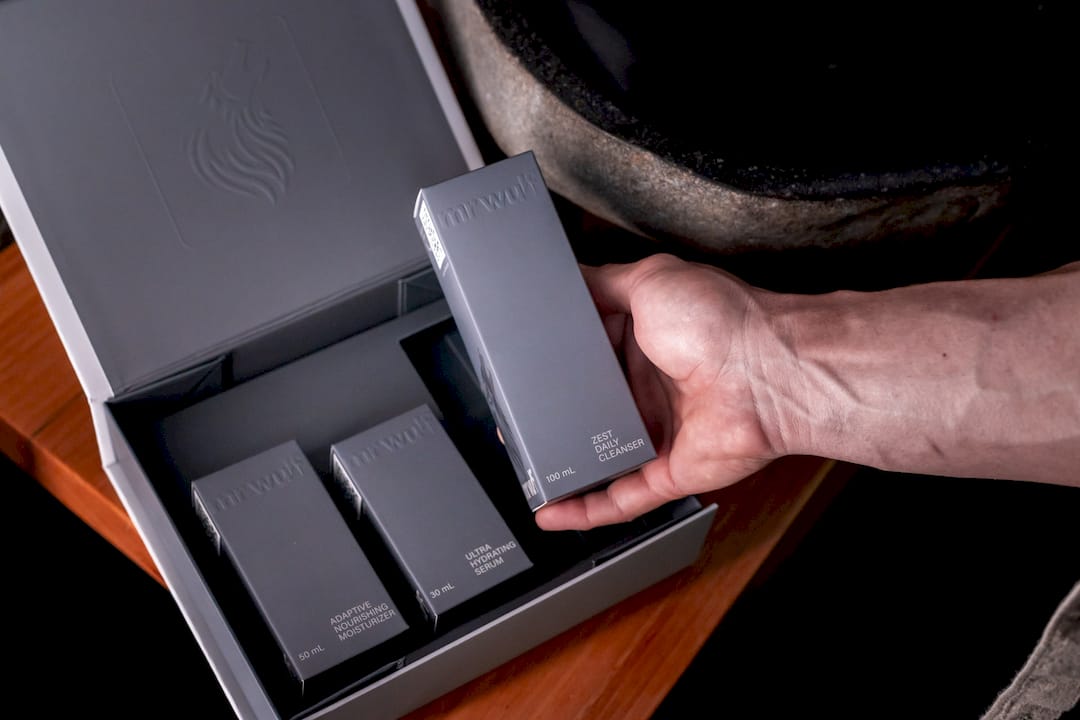
The Wulf Pack is built around a simple principle: three products, clinically active ingredients, under two minutes. No overcomplication. No proprietary mystery blends. Every ingredient on the label is there for a reason.
Step 1 — Zest Daily Face Cleanser
A postbiotic face wash built on coconut-derived surfactants — gentler than conventional detergents and pH-balanced to protect the skin’s acid mantle. The acid mantle is the thin protective film on the skin’s surface that keeps moisture in and pathogens out. Harsh alkaline soaps disrupt it. The Zest cleanser does not.
Key actives: fermented Australian Finger Lime (Lactobacillus/Citrus Australasica Fruit Ferment Filtrate) delivering postbiotic skin-conditioning activity; Saccharide Isomerate for moisture retention; Lactic Acid providing gentle enzymatic exfoliation without the irritation profile of physical scrubs; Mandarin and Wild Mint essential oils.
Tip from the brand: use it in the shower on elbows and knees to exfoliate rough skin. The lactic acid does the work so you do not need a separate physical scrub.
Step 2 — Ultra Hydrating Serum
The functional workhorse of the system. Serums have smaller molecular weight than moisturisers and penetrate deeper into the dermis. The Wulf serum delivers multiple active pathways simultaneously.
Antioxidant defence: Niacinamide (Vitamin B3) — one of the most well-evidenced topical actives for skin barrier function, hyperpigmentation reduction, and anti-inflammatory activity. Sodium Ascorbyl Phosphate — a stable, non-irritating form of Vitamin C that neutralises free radicals and supports collagen synthesis. Fermented Kakadu Plum (Lactobacillus/Terminalia Ferdinandiana Fruit Ferment Filtrate) — Kakadu Plum contains one of the highest concentrations of natural Vitamin C of any known plant. Fermentation enhances bioavailability and skin penetration. Mountain Pepper Berry (Tasmannia Lanceolata) — among the highest ORAC-value botanicals documented, providing broad-spectrum antioxidant protection against UV-generated free radical damage.
Hydration: Sodium Hyaluronate (Hyaluronic Acid) for deep and surface hydration. Biosaccharide Gum-1 for sustained moisture retention and skin-calming activity.
Anti-ageing peptides: Four clinically validated peptides working across distinct mechanisms — Acetyl Octapeptide-3 (targets expression lines), Copper Tripeptide-1 (supports collagen and wound healing), Palmitoyl Tripeptide-1 and Palmitoyl Tetrapeptide-7 (signal collagen and elastin synthesis). This is not a single peptide at a token dose. It is a coordinated system addressing the collagen loss that drives visible ageing in men over 30.
Old Man’s Weed (Centipeda Cunninghamii) and Wattle Seed — two Australian native botanicals with antioxidant and skin-soothing properties. Traditionally used for skin health and now supported by modern dermatological research.
Apply a few drops to damp skin after cleansing and press in gently. Allow to absorb before the moisturiser. A tip from the brand: apply before brushing your teeth — it will be fully absorbed by the time you finish.
Step 3 — Adaptive Nourishing Moisturiser
Barrier repair and deep hydration. The formulation uses Squalane (Olive) — a lightweight, non-comedogenic oil that closely mimics the skin’s own sebum — alongside Caprylic/Capric Triglyceride and Olive Oil. The emulsifier system is Olivem-based (Cetearyl Olivate, Sorbitan Olivate) rather than synthetic, consistent with the brand’s non-toxic ingredient philosophy.
Key actives: fermented Seaweed (Lactobacillus/Undaria Pinnatifida Leaf Ferment Filtrate) for skin conditioning and hydration; Cacay Seed Oil — a plant-derived oil reported to contain significantly more Vitamin A than Argan oil, supporting cell turnover; fermented Aloe for soothing and hydration.
Used morning and night.
The complete routine in practice:
| Time | Step | Product | Time required |
|---|---|---|---|
| Morning | 1. Cleanse | Zest Daily Cleanser | 60 seconds |
| Morning | 2. Treat | Ultra Hydrating Serum | 30 seconds |
| Morning | 3. Protect | Adaptive Moisturiser | 30 seconds |
| Night | 1. Cleanse | Zest Daily Cleanser | 60 seconds |
| Night | 2. Treat | Ultra Hydrating Serum | 30 seconds |
| Night | 3. Nourish | Adaptive Moisturiser | 30 seconds |
Total: under 2 minutes per session. Under 4 minutes per day. That is the entire commitment.
The SPF Conversation: What Most Sunscreens Are Not Telling You
UV protection is genuinely important. The evidence that cumulative UV exposure drives photoageing, collagen breakdown, and skin cancer risk is not in dispute. The conversation worth having is about how that protection is delivered — and whether the most commonly marketed sunscreens are actually safe to use every day.
The short answer: many are not. And the evidence for this is not fringe concern. It is documented in FDA testing, independent laboratory analysis, and peer-reviewed toxicology research.
The endocrine disruption problem. Common chemical UV filters — oxybenzone, octinoxate, octisalate, homosalate, avobenzone — have been identified as potential endocrine disruptors in multiple studies. The FDA proposed reclassifying several of these filters in 2019 after finding they are absorbed systemically at levels that exceed safe thresholds. Oxybenzone in particular has been detected in blood, breast milk, and urine at concentrations that warrant scrutiny. Applying a product containing endocrine-disrupting compounds to your skin every day — and then doing so on your children — sits directly in conflict with a non-toxic, hormone-health-conscious approach to wellness.
The carcinogen contamination problem. In 2021, independent laboratory testing found benzene — a known human carcinogen with no safe level of exposure — in dozens of sunscreen and after-sun products across major brands. The FDA subsequently confirmed these findings. Benzene is not an ingredient in sunscreen; it is a manufacturing contamination issue. But its presence across multiple product categories and brands raises serious questions about quality control in the category. The EWG’s annual sunscreen guide has consistently flagged formulation and contamination concerns across a significant proportion of products on the US and Australian market.
Our position. Mr Wulf formulations are free from hormone disruptors, known carcinogens, and synthetic chemicals that fall outside a non-toxic ingredient standard. We do not include a chemical SPF in the Wulf Pack or any product in our range, and will not do so under current evidence. If UV protection is a priority — and for men spending extended time outdoors in the Australian sun, it should be — our recommendation is a clean, mineral-only formula using zinc oxide as the active UV filter. Zinc oxide sits on the skin’s surface rather than being absorbed systemically, does not have an endocrine disruption profile, and does not generate the same contamination concerns as chemical filters. It is not the same as the sunscreen most men grew up with, but it is the version consistent with a coherent non-toxic health philosophy.
What the Wulf Pack does for UV-related skin defence: The serum’s antioxidant stack — Kakadu Plum ferment, Mountain Pepper Berry, Niacinamide, and Vitamin C — neutralises the free radicals generated by UV exposure that drive photoageing and collagen breakdown. This is not a replacement for physical UV protection when outdoors, but it is a meaningful daily defence layer that most conventional sunscreen routines entirely overlook.
Exfoliation: How Much Is Enough
Exfoliation improves skin texture and radiance by removing dead skin cells from the surface. It also supports product penetration — active ingredients in serums and moisturisers reach deeper layers more effectively on a clean, exfoliated surface.
The good news for Wulf Pack users: the Zest cleanser already contains Lactic Acid — a well-evidenced AHA that provides gentle daily exfoliation without the irritation profile of physical scrubs or high-concentration chemical peels. For most men, this is sufficient. The cleanser’s regular use maintains surface renewal without requiring a separate exfoliating step.
For men who want more active exfoliation — rough texture, ingrown hairs, congested skin — a low-concentration AHA or BHA used once or twice weekly is reasonable. AHAs (glycolic acid, lactic acid) suit dry or sun-damaged skin. BHAs (salicylic acid) suit oily or congested skin.
The American Academy of Dermatology recommends choosing an exfoliant method appropriate to skin type, beginning gently, and avoiding exfoliation over open wounds, active breakouts, or recently irritated skin.
Common exfoliation mistakes:
-
Exfoliating daily — the barrier cannot regenerate faster than it is being disrupted
-
Using physical scrubs with sharp particles on sensitive or inflamed skin
-
Exfoliating immediately before or after using a retinoid in the same session
-
Skipping barrier support after exfoliation — always follow with serum and moisturiser
Men with darker skin tones should be particularly conservative with exfoliation frequency. Post-inflammatory hyperpigmentation — darkening of the skin at sites of irritation — is more common and more pronounced in deeper skin tones and can take months to resolve.
Supplements and Skin Health: What the Evidence Says
Skin health is more than what you apply topically. Oral supplements can support skin function from the inside, though the evidence is more nuanced than most marketing suggests.
Collagen peptides are the most studied category. Clinical trials using 2.5 to 10 grams daily over 8 to 12 weeks show improvements in skin elasticity and hydration. The mechanism: hydrolysed collagen peptides are absorbed and may stimulate fibroblast activity — the cells responsible for producing collagen in the dermis. Effect sizes are modest compared to topical peptide formulations but meaningful when compounded over months.
Polyphenols and flavanols found in green tea, cocoa, and high-antioxidant plant extracts have evidence for reducing oxidative damage from UV exposure. Their topical equivalents — Kakadu Plum, Mountain Pepper Berry in the Wulf serum — work on the same free-radical-neutralising principle.
Omega-3 fatty acids support skin barrier function and reduce systemic inflammation, both of which affect skin hydration and resilience. The dose used in positive skin trials (2 to 3g EPA/DHA daily) aligns with the general cardiovascular and performance recommendation — so if you are already supplementing omega-3s for other reasons, your skin is likely benefiting too.
Vitamin C (oral) supports collagen synthesis from the inside. Combined with topical Vitamin C — as in the Wulf serum — the two-pathway approach provides more comprehensive support than either alone.
The practical hierarchy: topical actives first because they act locally at the site of concern. Oral supplements second, as a systemic support layer. Neither replaces the other and both earn their place in a serious skin health approach.
Why Consistent Beats Complicated
The men who see the best results are not the ones cycling through five new products every month. They are the ones who pick a small number of evidence-based products, use them every day, and stay patient enough to let the science work.
Peptide results from a quality serum require consistent daily application over weeks to months before the structural changes in the dermis become visible. Antioxidant protection accumulates quietly with every application — preventing photoageing that never appears because it was stopped. None of this makes for exciting marketing, but all of it is supported by the evidence.
The contrarian truth about skincare: upgrading your routine is not about buying more. It is about buying correctly, fewer products at higher quality, and then actually using them every single day. Skin health after 30 is one of the few areas of men’s wellness where a modest, consistent investment of time produces genuinely measurable outcomes over a meaningful time horizon.
Chasing the latest ingredient trend is expensive and largely ineffective. Showing up daily with the right three products is not.
The science-backed habits framework that applies to physical performance and sleep applies equally to skin: fix the foundation, use proven tools, track the result over time.
Further Support
The Mr Wulf Men blog covers men’s skin health, hormonal health, sleep science, and supplement formulation with the same standard applied throughout: mechanism first, marketing never.

The Wulf Pack — Complete Men’s Skincare System
The Wulf Pack — Complete Men’s Skincare Set The three-step system built for men over 30. Zest Daily Cleanser, Ultra Hydrating Serum with clinically proven peptides and Australian native antioxidants, and the Adaptive Nourishing Moisturiser. Postbiotic, non-toxic, under two minutes. Free from hormone disruptors, synthetic fragrance, and ingredients that do not pass a clean formulation standard. View The Wulf Pack
Ultra Hydrating Serum — sold separately For men who already have a cleanser and moisturiser and want to add the peptide and antioxidant layer. View Ultra Hydrating Serum
Adaptive Face Moisturiser — sold separately Barrier repair and deep hydration with Squalane, Cacay Oil, and fermented Seaweed. View Adaptive Moisturiser
Essential Men’s Skincare Kit — Cleanser and Moisturiser For men who want to start with the foundational two-step routine. View Essential Kit
Frequently Asked Questions
How quickly can men expect results from a consistent skincare routine?
Most men notice improved hydration and skin texture within 2 to 4 weeks of consistent use. Visible anti-ageing changes from peptide and antioxidant use typically take 8 to 12 weeks as structural changes in the dermis accumulate. Patience is the active ingredient most men underestimate.
Should I use sunscreen every day?
UV protection is important, particularly for men spending extended time outdoors in the Australian sun. If using sunscreen, we recommend a mineral-only formula with zinc oxide as the sole active UV filter. Conventional chemical sunscreens contain UV filters with documented endocrine disruption concerns and have been found in independent laboratory testing to be contaminated with benzene — a known human carcinogen — across multiple major brands. The Wulf Pack’s antioxidant stack provides meaningful daily defence against UV-generated free radical damage for everyday indoor and incidental sun exposure.
Is the Wulf Pack suitable for sensitive skin?
Yes. The formulations use postbiotic and fermented botanical actives rather than harsh synthetic chemicals. The cleanser is pH-balanced with gentle coconut-derived surfactants. The preservative systems are naturally derived. For men with particularly reactive skin, introduce each product one at a time over two-week intervals to identify any specific sensitivities.
Do I need a retinoid as well?
Retinoids have strong clinical evidence for anti-ageing outcomes and are worth considering as an addition for men specifically targeting line reduction and accelerated cell turnover. If adding a retinoid, use it at night after the serum, start twice weekly, and expect an adjustment period of 4 to 6 weeks. The Wulf Adaptive Moisturiser provides the barrier support needed to manage the initial retinoid adjustment phase.
Is bar soap adequate for face cleansing?
No. Bar soap is typically alkaline (pH 9 to 10) while healthy skin has an acid mantle at pH 4.5 to 5.5. Washing with alkaline soap disrupts the acid mantle, strips natural oils, and accelerates barrier degradation. A pH-balanced face cleanser like the Zest Daily Cleanser is structurally different from body soap and produces different outcomes.
Do I need separate eye cream?
The skin around the eyes is thinner and more delicate, but the Wulf serum — applied carefully around the orbital bone without direct eye contact — delivers the peptide and hydration actives relevant to this area. A separate eye product is not required for most men, though those with specific concerns about under-eye pigmentation or puffiness may choose to add one.


Men's health tips for better vitality and performance
Lifestyle optimisation: Evidence-backed strategies for men over 30