


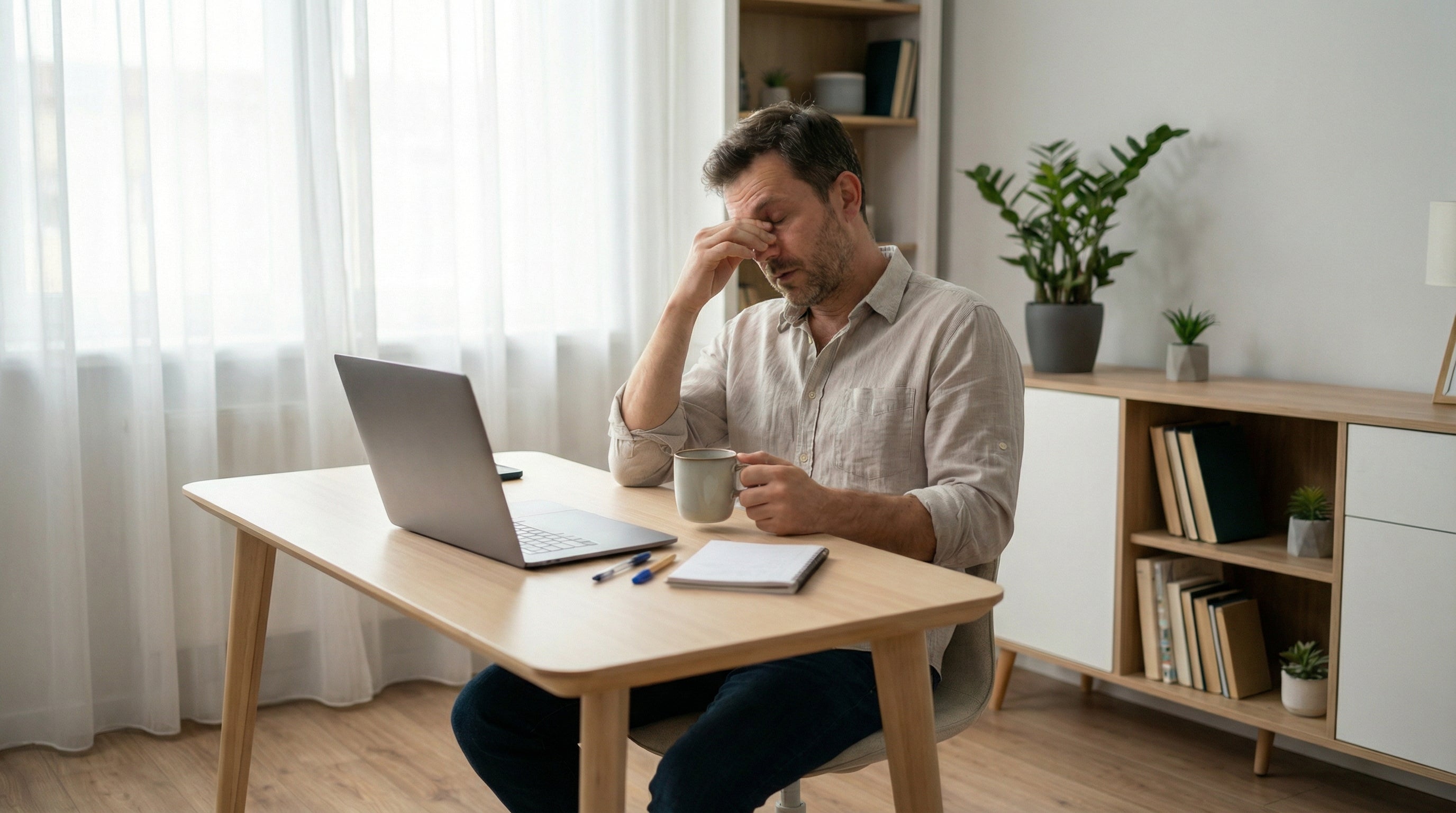
Why Sleep Might Matter More Than Cardio
Let’s say this upfront, because it matters:
Exercise is important.
Diet matters even more.
But if you’re trying to lose fat, and you’re hammering cardio, relying on high-stim fat burners, and white-knuckling your diet while still not getting lean…
There’s a good chance you’re missing the real kingmaker:
Sleep.
That might sound backwards. It’s meant to.
The Fat Loss Playbook Most Men Are Given
Most fat-loss advice follows the same order:
-
Do more cardio
-
Add stimulants to “burn fat”
-
Cut calories harder
-
Rely on willpower
For younger men, that can work for a while.
For men over 40, it often backfires.
Not because the advice is wrong — but because it ignores how the body changes with age, stress, and sleep debt.
What Actually Changes After 40
As men move into their late 30s and 40s, a few things quietly shift:
-
Sleep becomes lighter and more fragmented
-
Recovery slows
-
Stress tolerance drops
-
Blood sugar control becomes less forgiving
-
Hormonal signals become easier to suppress
None of this happens overnight.
It slides.
And fat loss becomes harder because the whole system is under strain.
Why Sleep Is a Fat-Loss Lever (Not a Lifestyle Bonus)
Sleep isn’t just rest. It’s active metabolic regulation.
When sleep quality drops, several things happen that directly affect fat loss.
1. Blood Sugar Control Worsens
Poor sleep reduces insulin sensitivity — even after short periods.
That means:
-
Carbs are handled worse
-
Blood sugar fluctuates more
-
Cravings increase, especially later in the day
When blood sugar is unstable, fat loss stalls.
2. Cortisol Stays High
Sleep restriction raises cortisol — the body’s main stress hormone.
Chronically elevated cortisol:
-
Encourages fat storage (especially abdominal fat)
-
Interferes with testosterone signalling
-
Increases muscle breakdown
-
Makes hunger harder to regulate
High cortisol and fat loss don’t coexist well.
3. Growth Hormone Drops
Deep sleep is when growth hormone (GH) is released.
GH plays a role in:
-
Fat metabolism
-
Muscle repair
-
Tissue recovery
As deep sleep declines with age and stress, GH output drops.
Less GH = poorer recovery + harder fat loss.
4. Testosterone Suffers Indirectly
Testosterone production is closely tied to sleep quality, not just duration.
Poor sleep is associated with:
-
Lower total testosterone
-
Lower free testosterone
-
Reduced anabolic signalling
This doesn’t just affect muscle — it affects how efficiently fat is mobilised and used.
The Stimulant Trap (And the Vicious Cycle)
Here’s where many men get stuck.
Poor sleep → low energy → more caffeine.
Caffeine:
-
Spikes cortisol
-
Suppresses appetite early
-
Disrupts blood sugar later
-
Delays melatonin at night
So what happens?
-
Afternoon energy crashes
-
Sweet or fast food cravings rise
-
Late-night snacking increases
-
Sleep quality worsens
Then the cycle repeats.
This becomes a self-reinforcing loop.
Why Cardio Alone Often Fails
Cardio burns calories, yes.
But in sleep-deprived, stressed men, excessive cardio can:
-
Increase cortisol further
-
Worsen recovery
-
Increase hunger
-
Suppress testosterone
That doesn’t mean “don’t exercise”.
It means exercise without sleep is a blunt tool.
Diet Is King — But Sleep Is the Kingmaker
Diet controls calories.
Sleep controls how your body responds to them.
With good sleep:
-
Blood sugar is steadier
-
Hunger hormones are better regulated
-
Energy improves naturally
-
Reliance on stimulants drops
-
Training quality improves
-
Recovery improves
All of which make diet easier to stick to.
That’s the key insight.
Sleep doesn’t replace diet, It makes diet work.
Why This Matters More for Men Over 40
In your 20s, you can get away with poor sleep.
In your 40s:
-
The margin for error shrinks
-
Stress costs more
-
Recovery takes longer
-
Hormonal suppression happens faster
Sleep becomes leverage.
Ignore it, and fat loss feels like punishment. Fix it, and everything else gets easier.
So… Can You Lose Fat Without Exercise?
Technically? Yes — through diet alone.
Practically, sustainably, and without feeling terrible?
Only if sleep is dialled in first.
Sleep improves:
-
Hormonal environment
-
Metabolic efficiency
-
Appetite regulation
-
Energy availability
Exercise then becomes an amplifier, not a compensation tool.
The Takeaway
If you’re a man over 40 trying to lose fat:
-
Cardio isn’t the first lever
-
Stimulants aren’t the answer
-
Willpower isn’t the problem
Sleep is the foundation you’re missing.
Get 7–8 hours of quality sleep.
Reduce stimulant reliance.
Stabilise blood sugar.
Then layer in diet and training.
That’s not the sexy answer. But it might be the most effective one.
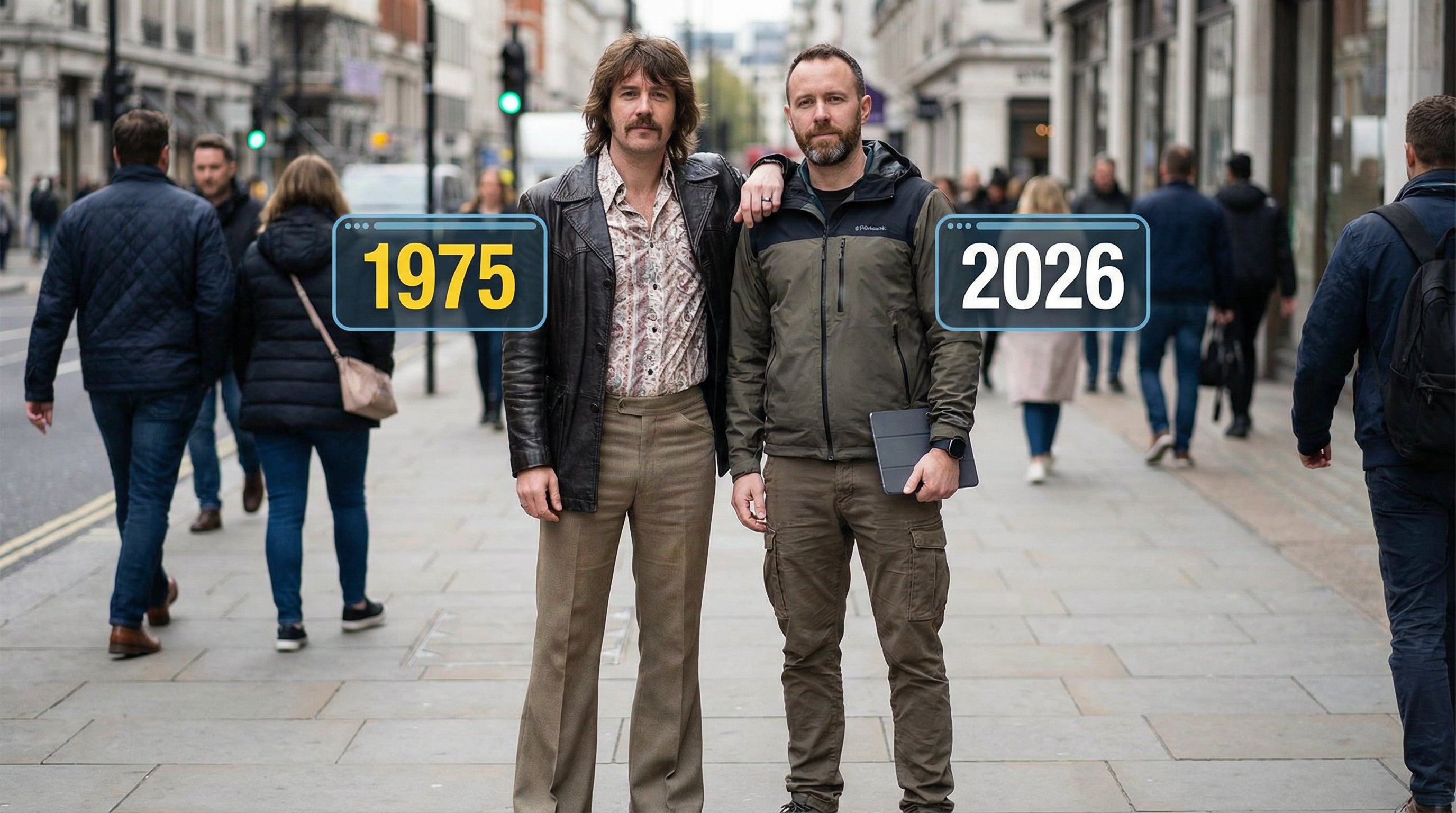
Aminogen Benefits for Protein Absorption and Muscle Recovery
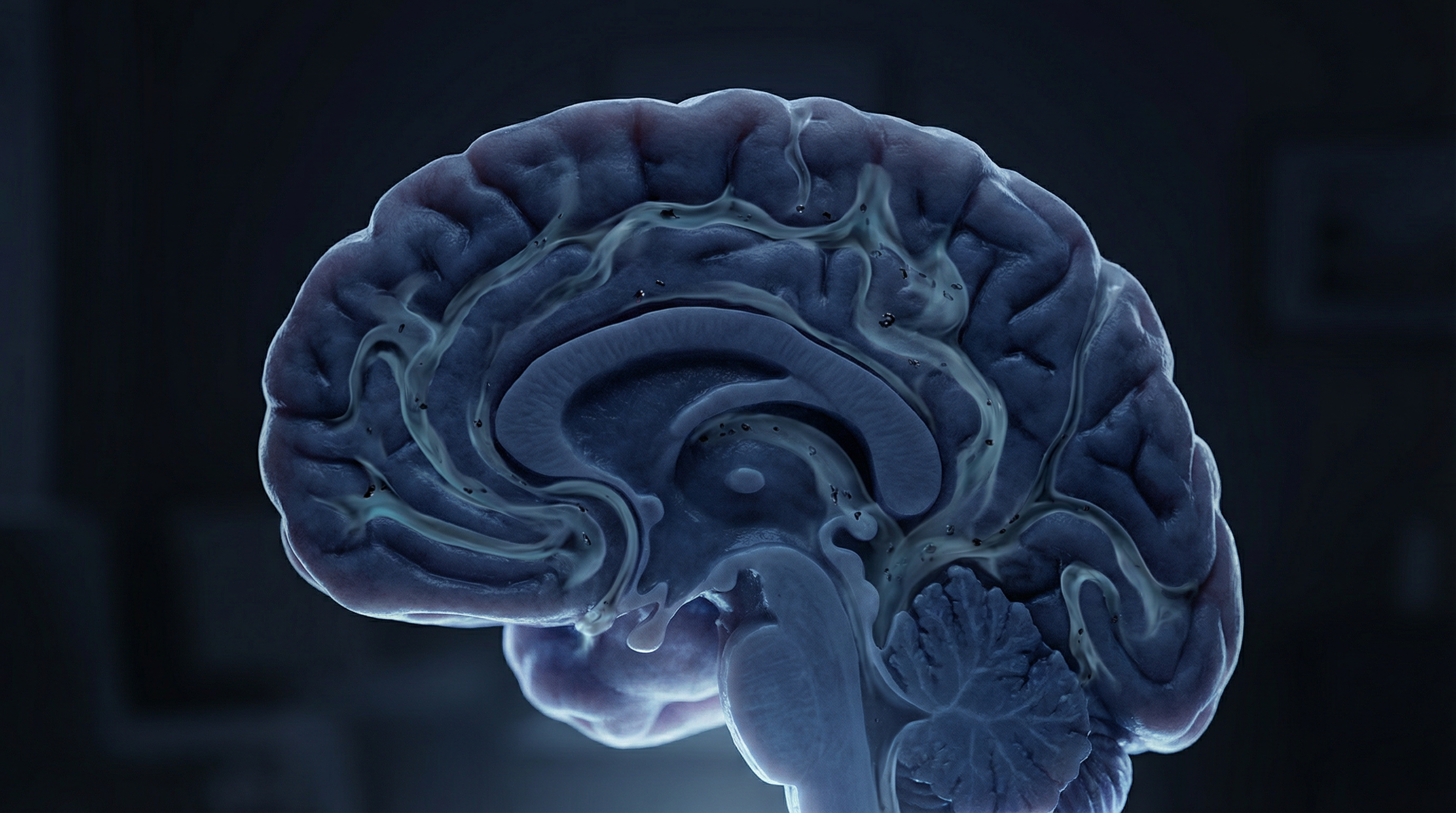
Sleep and Brain Detox: How Deep Sleep Protects Ageing Men